


The modern living space has undergone a radical transformation, moving away from cluttered entertainment centers toward a more streamlined, cohesive aesthetic. Homeowners today are looking for a singular focal point that marries high-end technology with sophisticated architectural detail. This is exactly where the concept of a media wall comes into play, offering a bespoke solution that anchors a room while hiding the chaotic web of cables and hardware. By integrating vision, warmth, and storage into one seamless structure, you are not just hanging a television; you are redefining the entire atmosphere of your home.
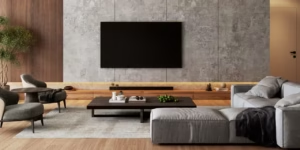
When we talk about shifting the energy of a room, the conversation usually starts with furniture, but it truly ends with architecture. A traditional setup often feels like an afterthought—a TV stand pushed against a wall, perhaps a standalone fireplace on another. A custom-built installation changes this dynamic by creating a dedicated structural element that feels like part of the house’s original blueprint. This approach allows for a clean, flush finish where the screen becomes a piece of art rather than an intrusive black rectangle. The psychological impact of this organization cannot be overstated; a room that feels “built-in” exudes a sense of permanence and luxury that freestanding furniture simply cannot replicate.
Beyond the aesthetics, the practical engineering of these structures solves the age-old problem of “cable spaghetti.” By utilizing a false wall or a recessed cavity, every wire, gaming console, and soundbar is tucked away out of sight. This decluttering process has a profound effect on the daily user experience, reducing visual noise and allowing the eye to rest on the design itself. From a long-term value perspective, adding a permanent architectural feature is often seen as a significant upgrade by property appraisers, as it demonstrates a commitment to high-quality finishes and modern living standards.
One of the most compelling reasons homeowners opt for a media wall is the ability to combine two traditionally competing focal points: the fireplace and the television. In the past, designers struggled with the “TV over the mantle” dilemma, which often resulted in a screen mounted too high for comfortable viewing or a fireplace that felt disconnected from the seating arrangement. Modern electric fireplaces, specifically designed for these installations, produce heat that is vented forward or downward, protecting sensitive electronics while allowing the screen to be placed at the perfect ergonomic eye level.
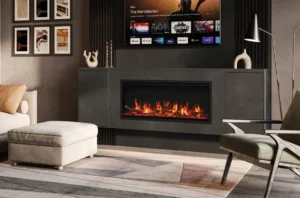
This combination creates a multisensory experience. Imagine a winter evening where the flickering glow of a realistic LED flame sits directly beneath a stunning 4K nature documentary; the room feels balanced because the warmth and the visual entertainment are unified. Common mistakes in the past involved using traditional wood-burning or gas fireplaces that generated too much vertical heat for a TV to survive. Today’s low-profile, “cool-to-the-touch” glass technology ensures that the integration is safe, efficient, and visually stunning, providing a year-round ambiance even when the heating element is turned off.
The beauty of a custom installation lies in its versatility regarding storage. We often think of these walls as purely for electronics, but they serve as the ultimate organizational tool for a minimalist lifestyle. Incorporating recessed shelving or “floating” cabinets into the design allows for a display of curated décor, books, or family heirlooms without the need for extra bookcases that take up floor space. This “all-in-one” philosophy maximizes the square footage of smaller apartments while providing a sense of scale in larger, open-plan homes.
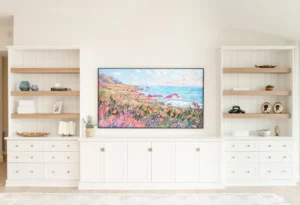
Choosing between open shelving and closed cabinetry depends entirely on your lifestyle. Open alcoves with integrated LED strip lighting can highlight textures and colors, adding a layer of depth to the room’s lighting scheme. Conversely, handle-less push-to-open cabinets keep the surface flat and unobtrusive, perfect for those who want to hide clutter entirely. Unlike mass-produced entertainment units that come in fixed sizes, a bespoke build can be tailored to the exact dimensions of your wall, ensuring that no space is wasted and the proportions are mathematically satisfying to the eye.
A common misconception is that these features must be plain plasterboard. In reality, the material choice is what defines the “vibe” of the interior. Many designers are now using Venetian plaster, 3D acoustic wood slats, or large-format porcelain tiles to wrap the structure. A media wall finished in a dark, moody charcoal slat-wood not only looks incredibly modern but also improves the acoustics of the room by reducing echoes—a vital factor if you are a cinephile or a music lover. The contrast between a textured background and a smooth glass screen adds a tactile quality that makes the room feel expensive and thought-out.
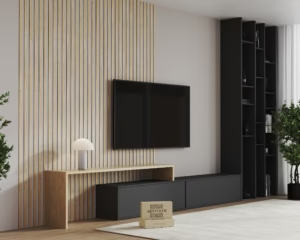
The choice of finish also influences the long-term durability and maintenance of the space. While paint is easy to refresh, stone veneers or high-pressure laminates offer a level of “scuff resistance” that is ideal for busy households with children or pets. When comparing this to a traditional painted wall with a TV bracket, the difference is night and day. A bracket leaves holes and usually results in visible shadows or wires; a textured built-in hides imperfections and creates a shadow-gap effect that makes the entire structure appear to float, adding a futuristic touch to a classic living room.
Lighting is the secret ingredient that transforms a static structure into a dynamic experience. By incorporating smart lighting into the recesses and edges of the build, you can change the mood of the room with a single voice command or tap on an app. “Halo” lighting behind the TV reduces eye strain by providing a soft bias light, while spotlights in the shelving units can accentuate specific pieces of art. This layered lighting approach is a hallmark of professional interior design, moving away from a single harsh overhead light toward a more nuanced, comfortable environment.
From a psychological perspective, the ability to transition the room from a bright, productive daytime setting to a dim, cozy “cinema mode” helps the brain signal that it is time to relax. The lighting isn’t just functional; it’s an emotional tool. Many homeowners overlook the importance of “color temperature“—using warm whites (2700K) for the fireplace area and perhaps a cooler, adjustable RGB setup for the gaming zones. This level of customization ensures that the installation remains relevant at all hours of the day, serving as both a functional utility and a piece of ambient art.
It is a mistake to think that large-scale features are only for sprawling mansions. In fact, a well-planned media wall is one of the best ways to make a small room feel larger. By consolidating the TV, fireplace, sound system, and storage into a single vertical plane, you free up valuable floor space that would otherwise be occupied by multiple pieces of furniture. This “clearing of the floor” creates a more open flow and allows for better movement through the room, which is essential for urban living and smaller suburban homes.
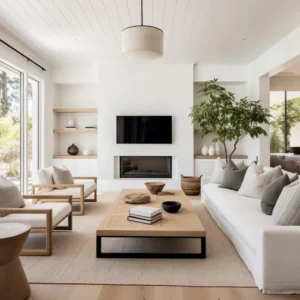
The design can be scaled down to fit even the tightest alcoves. By using light colors, mirrors, or glossy finishes on the sides of the structure, you can reflect light back into the room, further enhancing the sense of space. The key is proportion; a slim-profile electric fire and a flush-mounted TV ensure that the structure doesn’t protrude too far into the living area. It’s about being smart with depth—utilizing just enough space to hide the tech while maintaining the room’s footprint. This efficiency is why many interior designers now prioritize built-in features over traditional furniture in compact renovations.
Investing in a permanent home feature is a decision that pays off in both lifestyle and equity. Unlike a piece of furniture that might go out of style or wear down over a few years, a structurally integrated unit is a long-term asset. Because these walls are modular in spirit, the technology within them can be updated. Most professionals build these units with “access panels” or oversized conduits, meaning when 8K or 16K televisions become the standard, you can simply swap the screen without tearing down the wall. This future-proofing is a vital consideration for the modern homeowner.
Furthermore, the shift toward electric fireplaces within these walls is a nod toward sustainability. As the world moves away from gas and solid fuels due to environmental regulations and indoor air quality concerns, a high-efficiency electric flame effect provides the “hygge” we crave without the carbon footprint or the need for a chimney. It is a clean, smoke-free solution that fits perfectly into the modern ethos of eco-conscious luxury. When you look at the total cost of ownership—combining the cost of a fireplace, a TV stand, shelving units, and professional cable management—the all-in-one approach is surprisingly cost-effective and much more durable.
While the results can be breathtaking, there are specific errors that can ruin the effect of a media wall if not addressed during the planning phase. The most frequent mistake is improper height placement. People often place the TV too high, leading to “tech neck.” The center of the screen should ideally be at seated eye level. Another issue is poor ventilation; even though modern electronics and electric fires run cooler than their predecessors, they still need a degree of airflow to prevent the buildup of stagnant heat within the wall cavity.
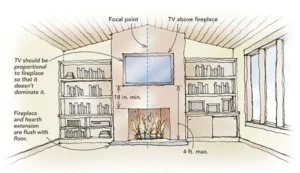
Additionally, one must consider the “future-proofing” aspect of the screen size. If you build a recessed nook that perfectly fits a 55-inch TV with zero wiggle room, you will be in trouble when you want to upgrade to a 65-inch model later. A better approach is to design a “shadow box” or a flat-face design where the TV sits slightly forward or has enough clearance around it to accommodate slightly larger dimensions. Always ensure there is a dedicated “tech cupboard” or an accessible area for routers and boxes, as burying them behind plasterboard with no access is a recipe for a maintenance nightmare.
Generally, these are permanent or semi-permanent structural additions that involve drilling and sometimes electrical work. While you could potentially build a “freestanding” version that is merely anchored to the wall, most landlords would view this as a significant alteration. It is always best to check your lease. However, for homeowners, it is one of the most popular ways to add character to a standard “new build” home that might otherwise lack a natural focal point like a chimney breast.
While a very skilled DIY enthusiast could handle the framing and plastering, we highly recommend professional installation. This is because it involves a combination of carpentry, electrical work, and specialized plaster finishing. Ensuring the wall is perfectly level and that the electrical sockets are safely positioned away from heat sources is crucial. A professional also understands weight-bearing requirements for heavy, large-format televisions and can ensure the finish is flawless.
On average, a standard installation requires about 15 to 25 centimeters of depth (roughly 6 to 10 inches). This is usually enough to house a modern slimline electric fireplace and all the necessary cabling and recessed TV brackets. If you want deeper shelving for books or large ornaments, you might need more depth, but for a standard sleek look, it takes up very little floor space compared to a traditional bulky sideboard or TV cabinet.
Not at all. Most modern electric fires used in these setups use LED technology for the flame effect, which costs pennies to run if you aren’t using the heat setting. Even when the 1kW or 2kW heater is engaged, it is an efficient way to provide “zone heating”—warming the room you are actually using rather than turning up the central heating for the whole house. They are much more cost-effective than traditional gas fires or wood burners when you factor in the lack of chimney sweeping and maintenance costs.
This is why planning is key. Most designers recommend creating a “universal” mounting area or a slightly larger recess than your current TV. If the TV is mounted on a pull-out bracket within a cavity, it is very easy to swap the unit. As long as you have used flexible conduit for the cables, you can pull through new HDMI or power cables whenever technology standards change, ensuring your wall remains functional for decades.
In conclusion, a media wall is more than just a trend; it is a fundamental shift in how we organize our living environments. By merging high-end technology with architectural beauty, it eliminates clutter, adds significant property value, and creates a warm, inviting heart for the home. Whether you are living in a compact city apartment or a spacious suburban house, the ability to customize your storage, lighting, and heating into one sleek, unified design is the ultimate way to elevate your interior aesthetic to a professional standard.


