


A modern home is no longer defined only by furniture and wall colours. It is defined by how space, technology, and comfort work together to support daily life. This is where a media wall becomes more than a visual upgrade. It is a practical solution that reshapes how you use your living space, how you relax, and how your home feels on a daily basis. From improving functionality to creating a strong visual focal point, installing a media wall at home offers benefits that go far beyond appearance, especially for homeowners seeking smart, long-term value.
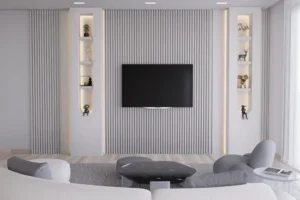
One of the most immediate benefits of installing a media wall is the way it instantly creates a strong focal point within the room. Instead of scattered elements like a TV stand, shelves, exposed cables, and mismatched décor, everything is unified into a single, cohesive structure. This visual clarity makes the room feel more organised, calmer, and intentionally designed.
From a psychological perspective, a defined focal point helps the eye settle naturally, reducing visual clutter and creating a sense of balance. Practically, this means your living room feels more spacious and premium, even if the actual square footage remains unchanged. Compared to traditional TV units, a media wall integrates technology and design seamlessly, giving your home a polished, modern presence without relying on excessive furniture.
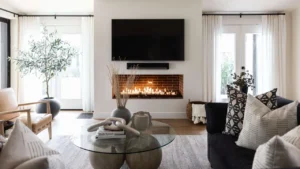
A media wall is not just about where the TV sits, but how it is positioned for daily use. Proper height alignment, optimal viewing angles, and integrated lighting all contribute to a more comfortable and immersive experience. This is especially noticeable during long viewing sessions, movie nights, or casual daily use.
Unlike standard TV stands that often compromise ergonomics, a professionally designed setup considers eye level, room depth, and seating layout. Over time, this reduces neck strain and eye fatigue, making entertainment genuinely relaxing rather than physically tiring. The long-term value here lies in comfort consistency, something that traditional setups often overlook in favour of convenience.
One common misconception is that a media wall is only suitable for large homes. In reality, it is often more beneficial in smaller spaces where efficient use of walls is essential. By integrating storage, display niches, and entertainment systems vertically, floor space is freed up significantly.
In open-plan homes, this structure can also help define zones without adding physical barriers. Compared to bulky cabinets or multiple standalone units, a wall-mounted solution keeps the room feeling open while still offering functionality. Over time, homeowners appreciate how much easier it becomes to maintain a tidy environment when everything has a designated, built-in place.
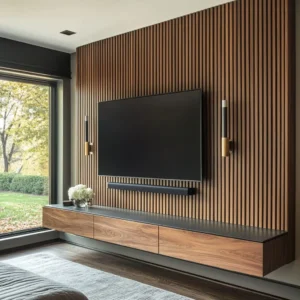
Exposed wires, routers, and devices can quickly undermine even the most stylish interiors. One of the most practical advantages of a media wall is its ability to hide all technical components discreetly behind the design. This creates a clean, uninterrupted surface that feels intentional rather than improvised.
Beyond aesthetics, concealed cabling also reduces dust buildup and accidental damage. It makes cleaning easier and improves safety, especially in homes with children. Compared to traditional setups where cables are often managed as an afterthought, this integrated approach delivers both visual elegance and practical peace of mind.
Storage is often a challenge in modern homes, particularly when trying to balance functionality with design. A media wall solves this by incorporating hidden compartments, floating shelves, or recessed niches that blend seamlessly into the structure.
This flexibility allows you to store media devices, books, decorative items, or everyday essentials without overcrowding the room. The key advantage here is controlled visibility. You decide what is displayed and what stays hidden, maintaining a refined look at all times. Over the long term, this encourages better organisation habits and reduces the temptation to add unnecessary furniture.
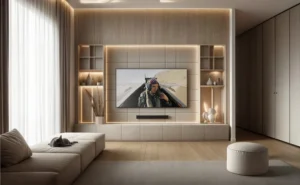
From a real estate perspective, a well-designed media wall can significantly enhance how a property is perceived. Buyers and renters are increasingly drawn to homes that feel move-in ready, modern, and thoughtfully planned. A built-in feature like this communicates quality and attention to detail instantly.
While it may not be the sole factor in a property’s valuation, it certainly strengthens first impressions. Compared to removable furniture, integrated design elements suggest permanence and investment. This often translates into stronger emotional appeal, which plays a major role in decision-making during property viewings.
Every household uses their living space differently. Some prioritise family entertainment, others value minimalist aesthetics, and some want a balance between display and function. A media wall adapts to these needs far more effectively than off-the-shelf furniture.
From integrated fireplaces to adjustable shelving and lighting options, the design can evolve with your lifestyle. This adaptability is particularly valuable as needs change over time, whether due to family growth, remote work habits, or shifting design preferences. Unlike fixed furniture trends, this solution remains relevant through thoughtful customization.
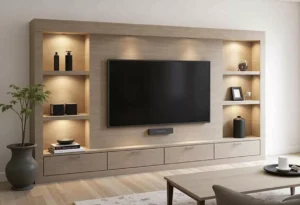
Lighting plays a crucial role in how a room feels, yet it is often underestimated. A media wall allows for layered lighting solutions, including ambient LED strips, accent lighting, and soft backlighting that enhances depth and warmth.
This has a direct psychological impact, creating a more relaxing atmosphere in the evenings and reducing harsh contrasts during screen use. Compared to relying solely on ceiling lights or table lamps, integrated lighting offers greater control over mood and functionality. Over time, this contributes to a more comfortable and emotionally satisfying living environment.
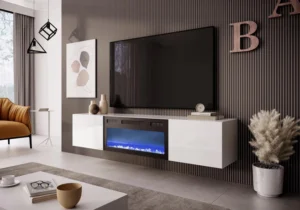
While furniture styles change frequently, a media wall is designed to last. Its value lies in durability, adaptability, and timeless integration rather than short-term trends. When planned correctly, it accommodates future technology upgrades without requiring a complete redesign.
This long-term mindset saves money and effort over the years. Instead of replacing TV units, shelves, or lighting solutions separately, everything evolves within a single, cohesive structure. Compared to temporary solutions, this approach offers stability, consistency, and sustained visual appeal.
Yes, when designed correctly, it can actually make a small room feel larger. By using vertical space and minimising floor furniture, the room appears more open and organised without feeling crowded.
Most designs can be planned with future upgrades in mind. Allowing additional width or modular panels ensures flexibility without major structural changes later on.
Installation time varies, but professional planning minimises disruption. Clear timelines and preparation help keep inconvenience to a minimum.
Maintenance is usually minimal. With concealed cables and integrated storage, cleaning becomes easier than with traditional setups that collect dust around exposed components.
Absolutely. From minimalist to luxury interiors, the design can be tailored to complement existing décor rather than overpower it.
A media wall is more than a design trend. It is a practical, long-term investment that enhances comfort, organisation, and visual harmony throughout your home. When thoughtfully planned, it delivers daily benefits that extend well beyond appearance, making your living space more functional, enjoyable, and future-ready.


