


Modern homes are evolving fast, and living spaces are no longer just places to sit and watch TV. They have become reflections of lifestyle, taste, and how we interact with our homes daily. A media wall has emerged as one of the most effective design solutions to elevate both form and function, turning an ordinary room into a refined, purposeful environment. Rather than relying on bulky furniture or exposed cables, homeowners now seek integrated solutions that combine technology, storage, and aesthetics into one seamless feature. This shift is not about trends alone, but about creating spaces that feel organised, calming, and intentionally designed for modern living.

A media wall does more than hold a television. Visually, it anchors the entire room and establishes a clear focal point that draws the eye naturally. Unlike traditional TV stands that feel temporary or disconnected, a built-in wall solution looks intentional and permanent. This sense of structure immediately elevates how the space is perceived, making it feel curated rather than assembled.
From a psychological perspective, visual balance plays a major role in how comfortable a space feels. A well-designed media wall brings symmetry, clean lines, and proportion, reducing visual clutter. When cables, devices, and accessories disappear behind a unified surface, the room feels calmer and more spacious, even in smaller homes.
Practically, this visual clarity also improves daily use. When everything has its place, the living area becomes easier to maintain, quicker to clean, and more enjoyable to use. Compared to traditional furniture setups, the difference is immediately noticeable in both appearance and experience.

One of the most underestimated benefits of a media wall is how efficiently it uses space. Instead of multiple pieces of furniture competing for floor area, everything is integrated vertically. This approach frees up valuable room, making the space feel more open and breathable.
In everyday life, storage becomes a silent problem. Remote controls, gaming consoles, speakers, and decorative items often create visual noise. A thoughtfully designed media wall hides what you do not want to see and showcases only what adds value. This balance between concealment and display is what sets it apart from standard solutions.
Compared to traditional TV units, which often limit layout options, a media wall can be customised to the exact dimensions of the room. This flexibility ensures no wasted space and no awkward gaps, delivering long-term value that adapts to changing needs.
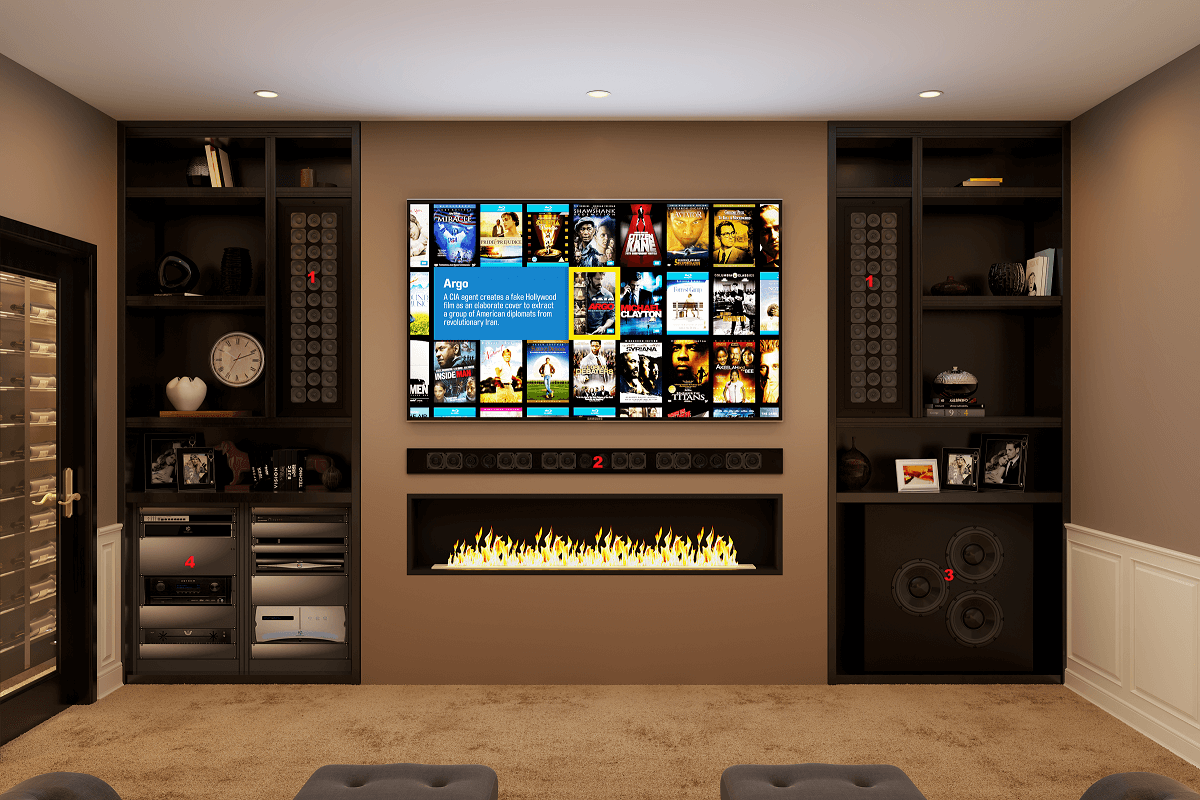
Technology is central to modern homes, but it often disrupts aesthetics. A media wall solves this problem by integrating screens, sound systems, and smart devices into a unified design. Wires, sockets, and hardware are concealed, allowing technology to exist without dominating the space.
From a usability standpoint, this integration improves everyday interactions. Devices are positioned at optimal heights, screens align with natural viewing angles, and sound systems are placed for better acoustics. These details significantly enhance comfort and enjoyment without drawing attention to the technical setup.
In comparison to surface-mounted installations, a built-in solution also feels future-ready. It allows upgrades or changes without redesigning the entire room, making it a practical investment rather than a fixed design choice.

The emotional impact of a space matters as much as its appearance. A media wall contributes directly to atmosphere by allowing layered lighting, textured finishes, and personalised styling. Soft LED lighting, for example, transforms the room during evening hours, creating a relaxed and inviting mood.
On a psychological level, controlled lighting reduces eye strain and enhances comfort during screen use. It also adds depth to the room, making it feel warmer and more welcoming. These subtle effects influence how people feel in the space without them consciously noticing why.
Unlike standard furniture, which rarely considers mood, a media wall is designed holistically. It supports daily routines, from family movie nights to quiet evenings, adapting effortlessly to different moments.

Beyond aesthetics, a media wall adds tangible value to a property. Buyers increasingly look for homes that feel finished and thoughtfully designed. A built-in feature immediately signals quality and attention to detail, setting the property apart.
From a practical standpoint, durability and timeless design make this solution cost-effective over time. Unlike trend-based furniture that requires frequent replacement, a well-designed media wall remains relevant for years, adapting to new technology and changing styles.
When compared to short-term decorative upgrades, this investment offers both immediate enjoyment and long-term returns, making it a smart decision for homeowners focused on value.

Clutter affects more than just appearance; it influences stress levels and focus. A media wall addresses this by providing dedicated zones for every device and accessory. When items are stored logically, daily routines become smoother and less frustrating.
From an organisational perspective, this structure reduces the need for additional furniture. Everything from cables to accessories has a hidden place, leaving only intentional elements visible. This simplicity enhances both usability and visual harmony.
Compared to traditional setups, the difference in daily experience is clear. The room feels lighter, calmer, and easier to live in, reinforcing the value of thoughtful design.
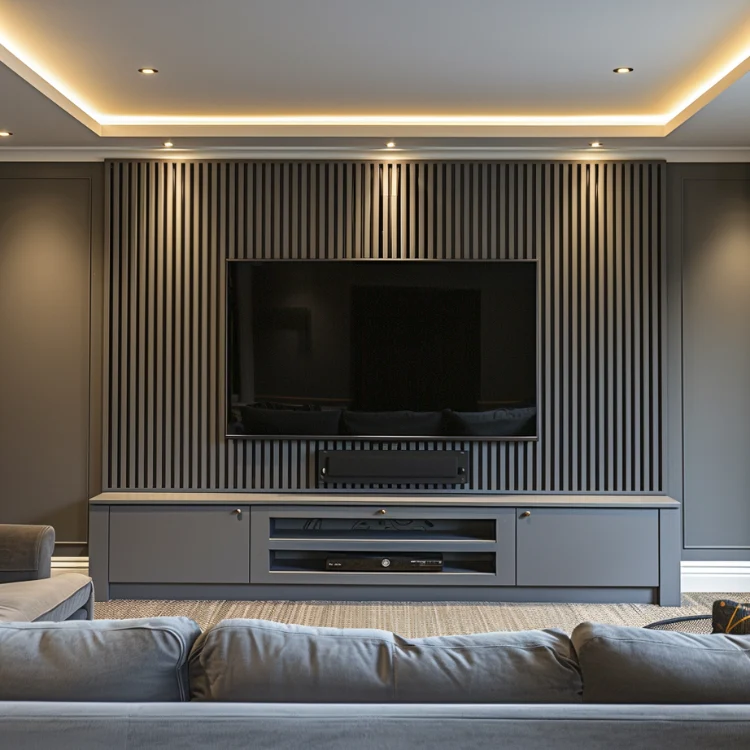
Every home is different, and a media wall adapts accordingly. Whether the preference is minimalist, luxurious, or warm and textured, the design can reflect individual taste without compromise. Materials, colours, and layouts are all chosen to align with lifestyle needs.
This flexibility also extends to usage. Some households prioritise entertainment, others storage, and some visual impact. A custom solution balances these priorities seamlessly, unlike off-the-shelf furniture that forces compromises.
Over time, this adaptability ensures the space continues to feel relevant and personal, strengthening the emotional connection between the homeowner and their living environment.
Absolutely. When designed correctly, it can make small spaces feel larger by eliminating bulky furniture and creating clean vertical lines that enhance openness.
Not at all. A well-planned structure allows for screen upgrades and technology changes without altering the core design.
Yes. It improves organisation, safety, and ease of use, making it especially suitable for busy households.
A media wall offers better aesthetics, improved space usage, and a more integrated experience compared to standalone furniture.
It does. Buyers increasingly value built-in features that signal quality and thoughtful design.
A media wall is more than a design feature; it is a strategic upgrade that reshapes how a living space looks, feels, and functions. By combining aesthetics, technology, and organisation into one cohesive element, it delivers lasting value and everyday comfort. Choosing a media wall is ultimately about creating a home that feels intentional, modern, and effortlessly enjoyable


